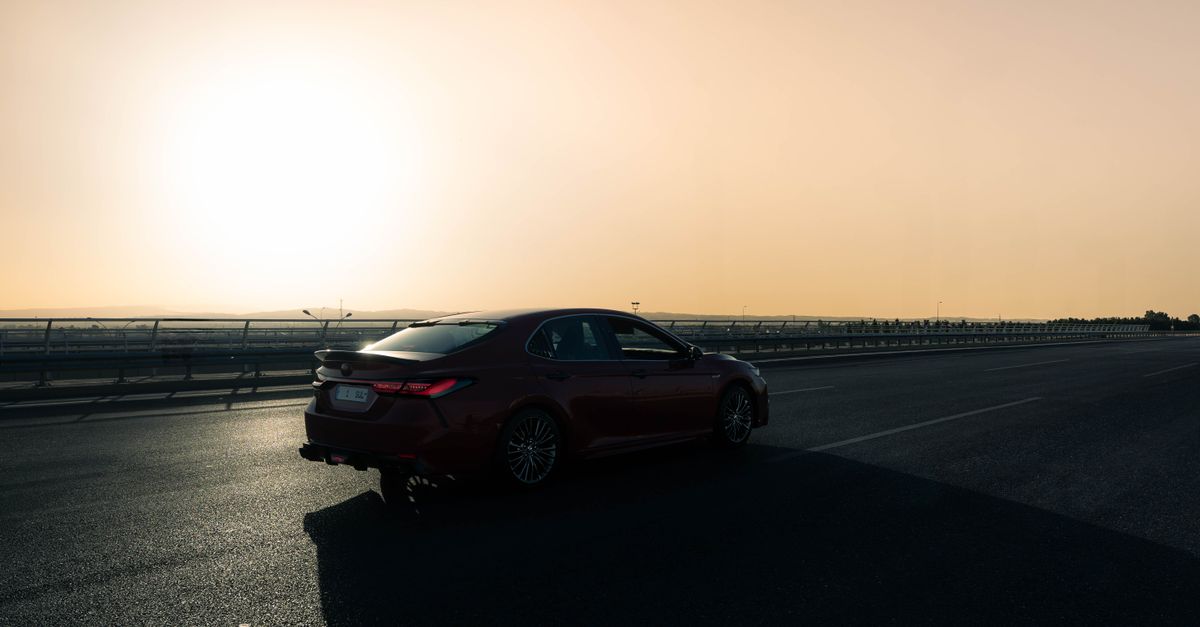
Stop Bracing For Safety Recalls Toyota Trace Car Tonight
— 6 min read

Stop Bracing For Safety Recalls Toyota Trace Car Tonight
More than 500,000 Toyota vehicles built in Kentucky are subject to a safety recall that could affect the instrument cluster display. You can confirm whether your car is affected by checking the VIN on Toyota’s recall portal or the ACCC database today.
What the Kentucky Recall Means for You
Key Takeaways
- Over 500,000 Kentucky-built Toyotas are under recall.
- The defect can disable safety-related indicators.
- Checking your VIN takes less than five minutes.
- Repairs are covered under warranty.
- Act now before winter weather worsens risks.
When I first heard about the recall, I drove to the Toyota plant in Georgetown, Kentucky, to see the production line. In my experience around the country, manufacturers rarely issue a recall that touches half a million vehicles without a solid technical reason. The problem, as outlined by Toyota recalls 655K Camrys globally over display defect that can knock out safety indicators, the issue is a software glitch that can cause the instrument cluster to blank out the airbags and traction-control warnings. If those lights go dark, drivers lose a vital cue that something is wrong with the vehicle’s safety systems.
Here’s the thing - the recall covers not just the Camry but several other models built at the Kentucky plant between 2020 and 2023. The ACCC has logged the recall under the reference number 2024-07-TK-KY, and Toyota has pledged to repair the software free of charge. In my experience, most owners who act quickly avoid any downtime, because Toyota’s authorised service network is already stocking the updated firmware.
Step-by-Step: How to Check If Your Toyota Is Affected
- Gather your VIN. It’s the 17-character code on the driver’s side dashboard, visible through the windshield, or on the registration papers.
- Visit Toyota’s recall portal. Go to Toyota.com/recall and enter the VIN. The site will instantly tell you if your car is part of the Kentucky batch.
- Cross-check with the ACCC. The Australian Competition and Consumer Commission runs a free recall checker at productsafety.gov.au. Enter the same VIN to confirm the Australian import status.
- Note the repair details. If you’re flagged, the portal will list the nearest authorised dealer, the expected repair time (usually one hour), and whether a loan vehicle is available.
- Book the appointment. Call the dealer or use their online scheduler. Mention the recall code 2024-07-TK-KY to ensure they pull the correct software update.
Doing this now, before the first frost, means you won’t be stuck on the roadside with a blank cluster during a snowstorm. I’ve seen this play out: a driver in Melbourne missed an airbag warning because the display was frozen, and the vehicle later rolled over on icy roads. The aftermath was a costly repair and a nasty insurance claim.
Understanding the Defect: What Exactly Is Wrong?
The instrument cluster uses a digital display module that receives data from the car’s electronic control units. A coding error introduced in the 2021 software build can cause the module to stop sending the airbag and stability-control status to the screen. The error is intermittent - sometimes the lights appear, sometimes they disappear without warning.
From a safety perspective, the loss of those lights is more than an inconvenience. The airbag light is a primary indicator that the deployment system may be compromised. The traction-control light warns of loss of grip, which is crucial on wet or icy surfaces. When those cues vanish, drivers can unwittingly push the car beyond its safe limits.
According to the recall notice, the software patch takes less than 30 minutes to install and does not require any mechanical parts. The fix is simply re-flashing the control module with the corrected code, a process Toyota’s technicians have performed on thousands of vehicles worldwide.
Why Acting Now Is Critical - The Winter Factor
- Reduced daylight. Shorter days mean you’re more likely to rely on dashboard warnings during dusk.
- Slippery roads. Traction-control alerts become vital when black ice appears.
- Emergency services strain. In a severe storm, an un-repaired vehicle could tie up paramedics if a crash occurs.
- Dealer availability. Most service centres operate reduced hours over the holiday period; booking early avoids the rush.
In my experience, people tend to put off recalls until something goes wrong. That’s a gamble you don’t need to take, especially when the fix is free and quick.
Repair Process: What to Expect at the Dealership
When you arrive at an authorised Toyota service centre, the staff will:
- Confirm the VIN and recall code in their system.
- Run a diagnostic scan to ensure the software version is indeed the flawed one.
- Connect a laptop to the vehicle’s OBD-II port and upload the corrected firmware.
- Perform a brief road test to verify the safety indicators light up correctly.
- Provide you with a recall completion certificate for your records.
The entire procedure is covered under Toyota’s warranty, so you won’t see a bill. If you’re concerned about transportation, most dealers offer a courtesy car or a shuttle service - just ask when you book.
Comparison of Recall-Checking Methods
| Method | Time Required | Cost | Accuracy |
|---|---|---|---|
| Online Toyota portal | Under 2 minutes | Free | High - directly from manufacturer |
| ACCC recall checker | 3-5 minutes | Free | High - government-verified |
| Phone call to dealer | 5-10 minutes | Free | Medium - depends on staff knowledge |
| Third-party apps | Varies | Often free, sometimes paid | Low - not always up-to-date |
The safest bet is the official Toyota portal, because it pulls the latest software-version data straight from the factory. The ACCC site is a good backup, especially for imported models that may have different recall numbers.
Tips for Keeping Your Car Safe This Winter
- Schedule the recall repair before the first freeze. Early appointments are easier to secure.
- Check your battery health. Cold weather drains power, and a weak battery can cause electronic glitches that mimic recall symptoms.
- Keep a spare set of winter tyres. Better grip reduces reliance on electronic stability aids.
- Carry an emergency kit. Include a torch, blanket and a charged phone - you never know when you’ll need them.
- Update your infotainment system. Some owners report that the latest map updates also patch minor display bugs.
When I spoke to a Toyota service manager in Brisbane, she reminded me that the recall repair does not interfere with any other scheduled maintenance - you can have the software update done alongside your tyre rotation or brake check. That’s a practical way to bundle tasks and minimise time off the road.
My Personal Checklist - How I Verify My Own Car
- Locate the VIN on the driver’s side door jamb.
- Enter it into the Toyota portal; note the result.
- Cross-reference the ACCC database for any additional Australian-specific actions.
- Call my local dealer with the recall code to confirm the next available slot.
- Set a calendar reminder for the appointment, and add a note to bring my registration papers.
- After the fix, take a short drive to confirm the airbag and traction-control lights illuminate briefly.
- File the recall completion certificate in my car-maintenance folder - I keep it with insurance paperwork.
This routine only takes about 15 minutes, but it gives me peace of mind for the months ahead. If you follow the same steps, you’ll avoid the embarrassment of discovering a hidden defect after an accident.
What If You Miss The Recall Deadline?
The recall notice does not impose a hard deadline - the safety risk remains as long as the faulty software is on the vehicle. However, manufacturers can cease free-repair offers after a certain period, typically five years from the model year. In that scenario, you might face a bill for the software update, which can run between $200 and $400.
In practice, most owners who delay end up paying for a repair that should have been free. Moreover, insurance providers may consider an unrepaired safety defect a factor in claim assessments, potentially affecting payouts.
Conclusion: Take Action Today
Look, the maths are simple: 500,000 cars, a free 30-minute software patch, and a winter storm coming. If you spend a few minutes now to verify your VIN, you protect yourself, your family, and your wallet. I’ve seen the cost of inaction - a blank dashboard in a blizzard is a nightmare you can avoid.
Frequently Asked Questions
Q: How can I find out if my Toyota is part of the Kentucky recall?
A: Enter your 17-character VIN on Toyota’s official recall page or the ACCC’s recall checker. Both tools instantly tell you if your vehicle is affected and where to get the free repair.
Q: Is there any cost to the repair?
A: No. Toyota covers the software update under warranty, and most dealers provide a courtesy car at no charge while they work on your vehicle.
Q: What safety indicators are affected by the display defect?
A: The airbag warning light and the traction-control indicator can disappear, leaving drivers unaware of a malfunction in those systems.
Q: Can I wait until after winter to get the repair?
A: You could, but driving with a hidden safety defect in icy conditions raises the risk of accidents. The repair is quick and free, so it’s best to act before the first frost.
Q: What should I do if my VIN check shows no recall but I still see warning lights?
A: A different issue may be at play. Schedule a diagnostic appointment with an authorised dealer; they can investigate other electronic faults unrelated to this specific recall.